


Fiber reinforced polymer (FRP) is a composite material pairing fibers with a resin — the fibers deliver strength and stiffness, the resin provides adhesion and toughness. That combination makes FRP a versatile material across a wide range of applications.
Guangdong Haikuo has manufactured FRP products since 2022, offering a wide range of products to meet different application needs.
Types of FRP
FRP comes in several types, each with its own properties:
Glass fiber reinforced polymer (GFRP): the most common FRP type, made from glass fibers and a resin such as polyester, vinyl ester, or epoxy — strong, lightweight, and corrosion-resistant.
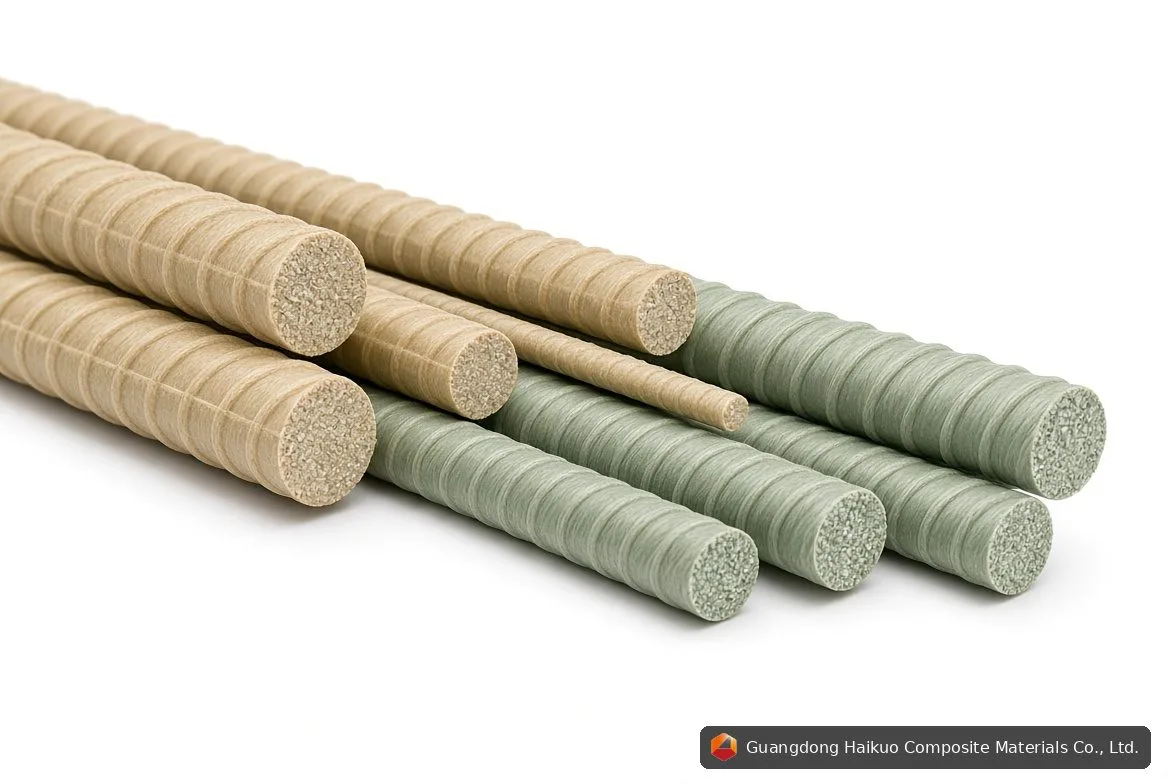
Carbon fiber reinforced polymer (CFRP): made from carbon fibers and a resin — stronger and stiffer than GFRP, though more expensive, and often used where weight and strength are critical, such as aerospace and automotive applications.
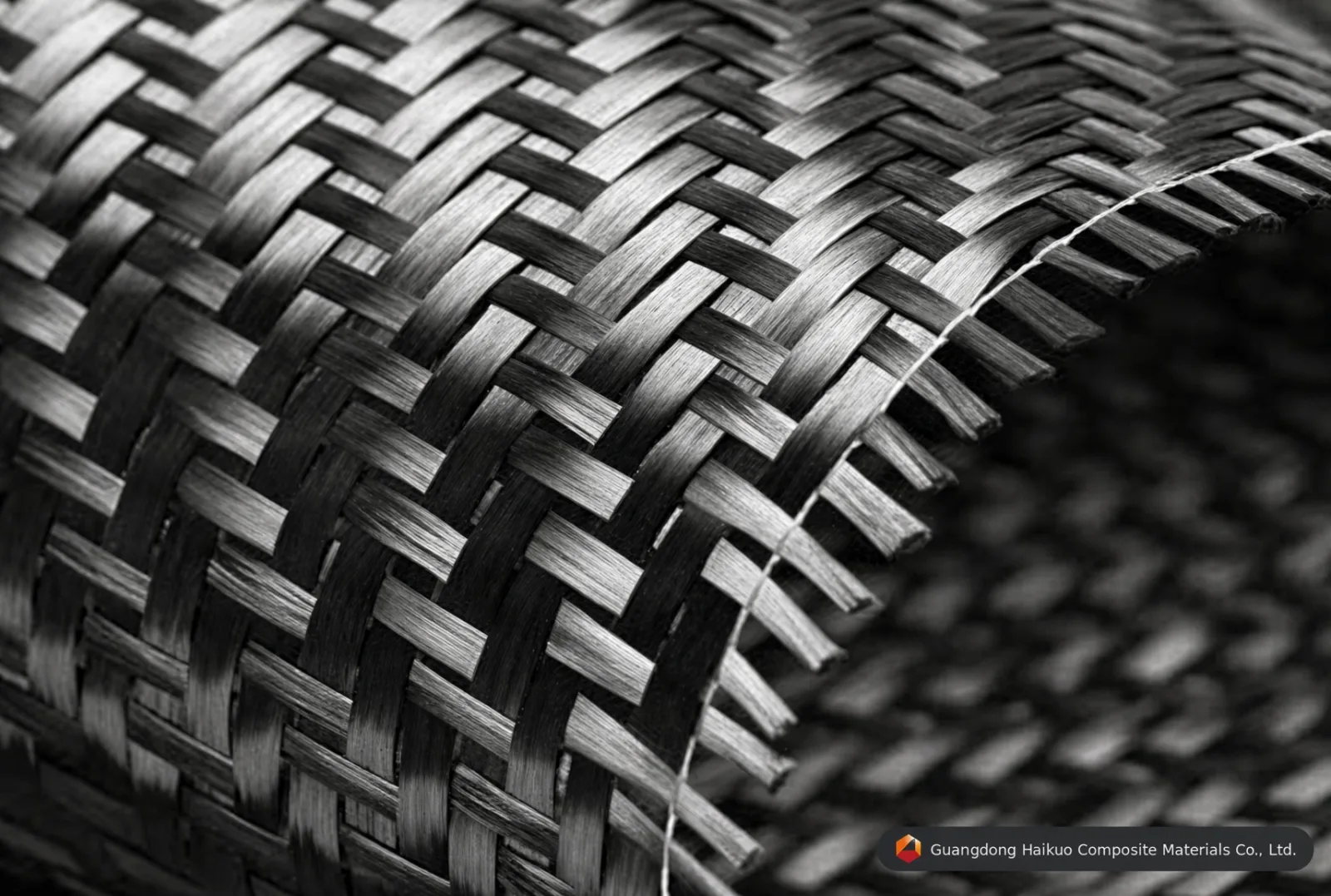
CFRP
Aramid fiber reinforced polymer (AFRP): made from aramid fibers and a resin. Aramid fibers run even stronger and stiffer than carbon fibers, at a higher price point too, and AFRP typically serves applications demanding high strength and toughness, such as ballistic protection and military use.
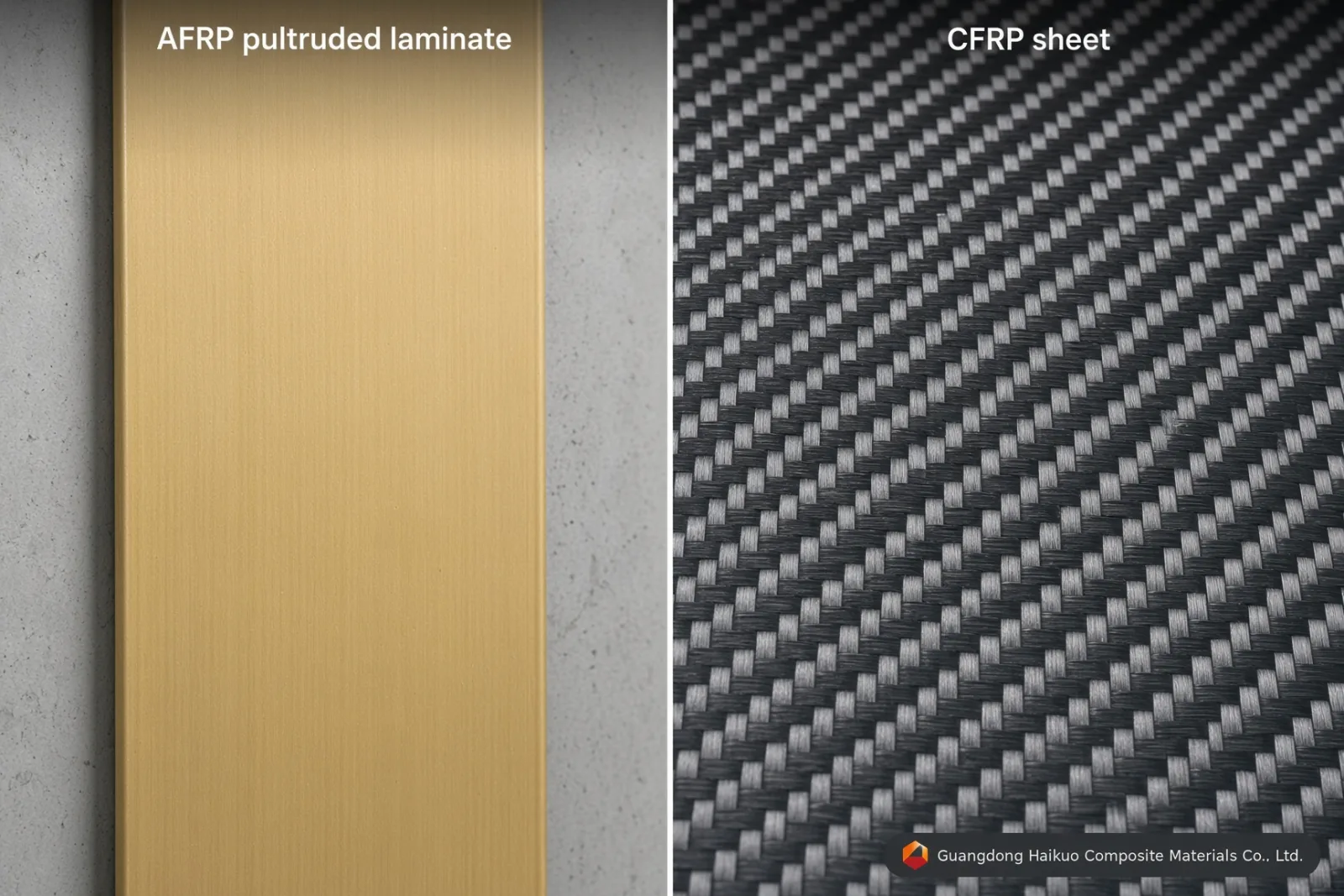
AFRP
Applications of FRP
FRP serves a wide variety of uses:
Construction: reinforcement for concrete, roofing materials, and facades.
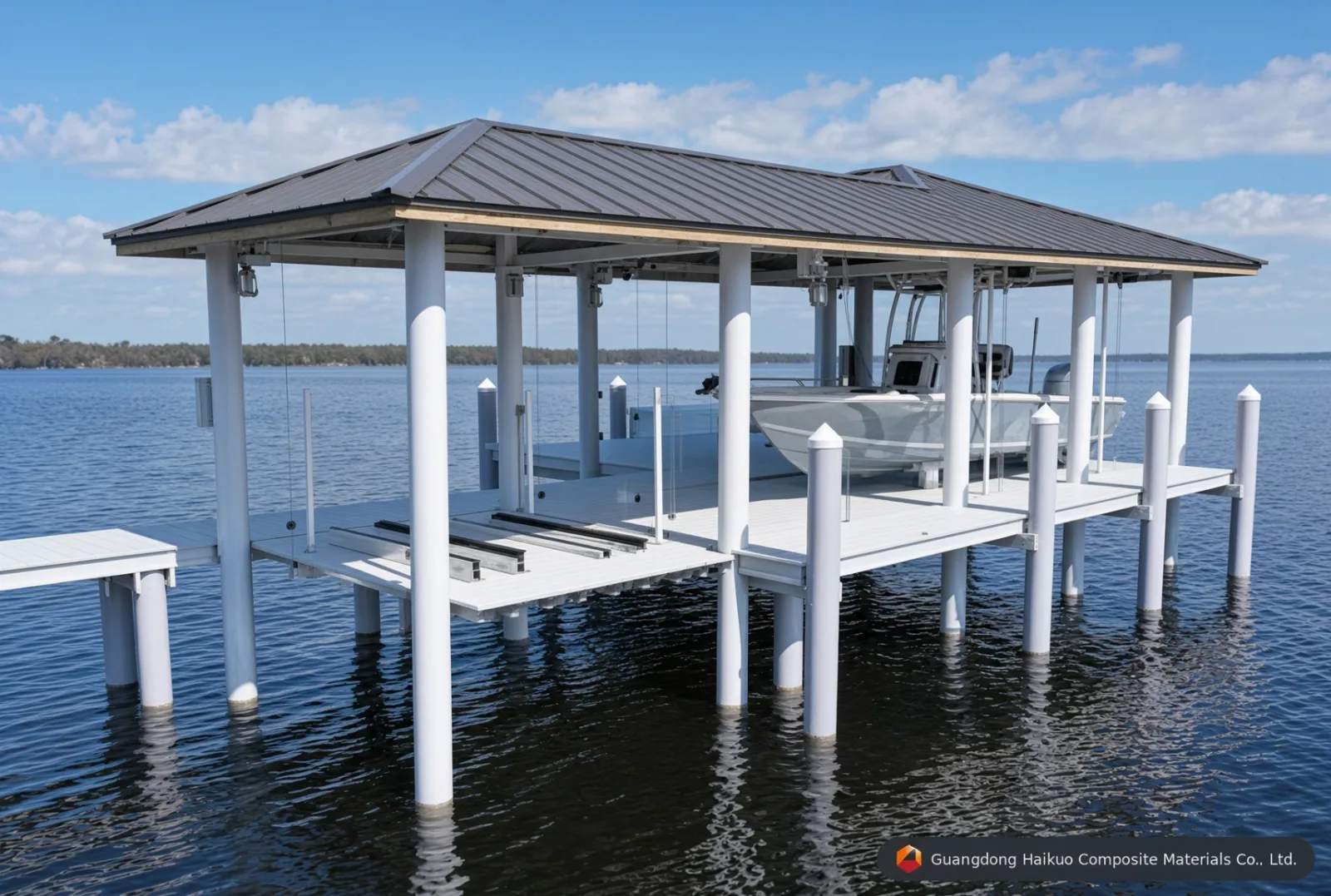
FRP in construction
Transportation: body panels for cars and trucks, boat hulls, and wind turbine blades.

Electrical: cable trays, insulators, and electrical enclosures.
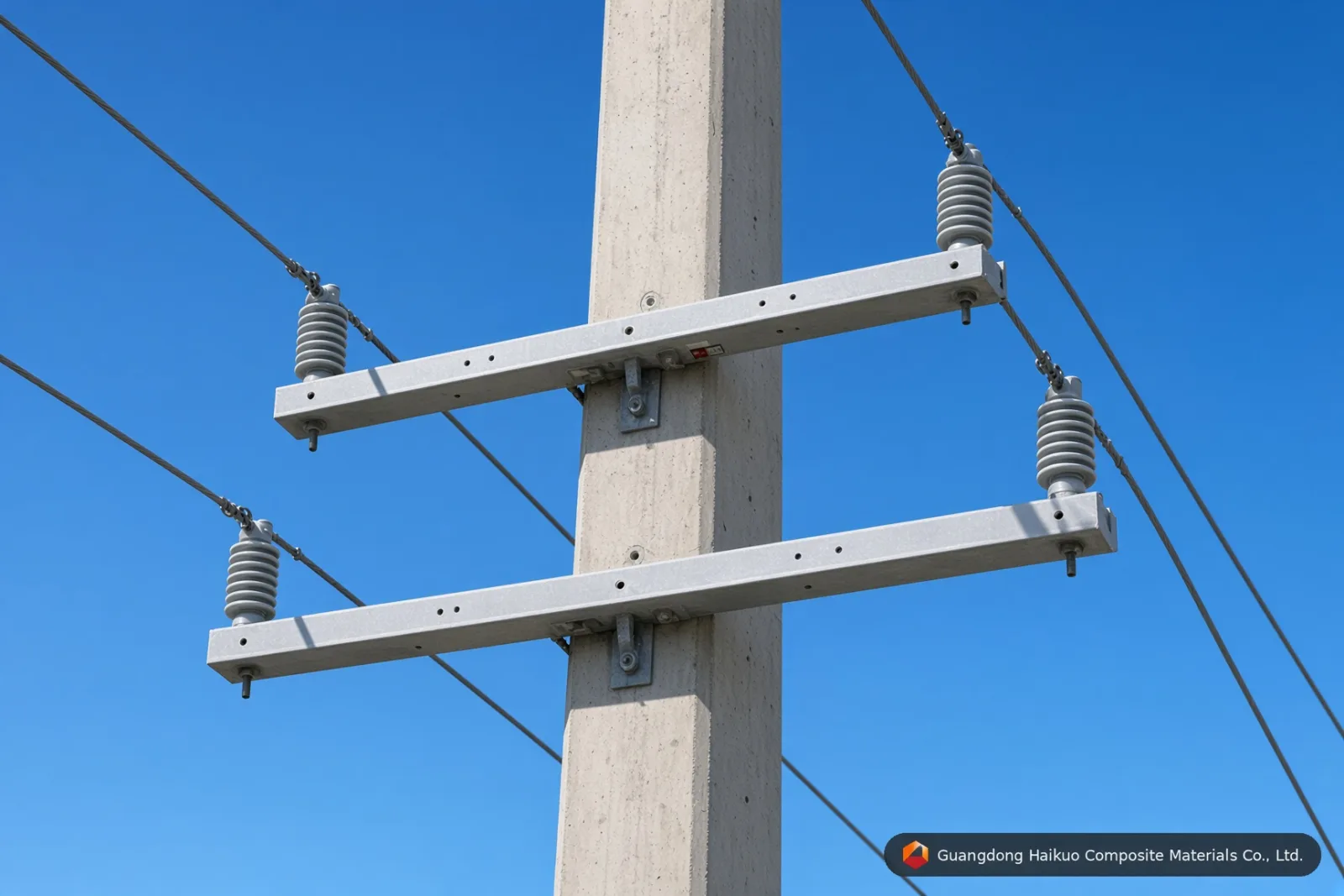
Industrial: tanks, pipes, and structural components.
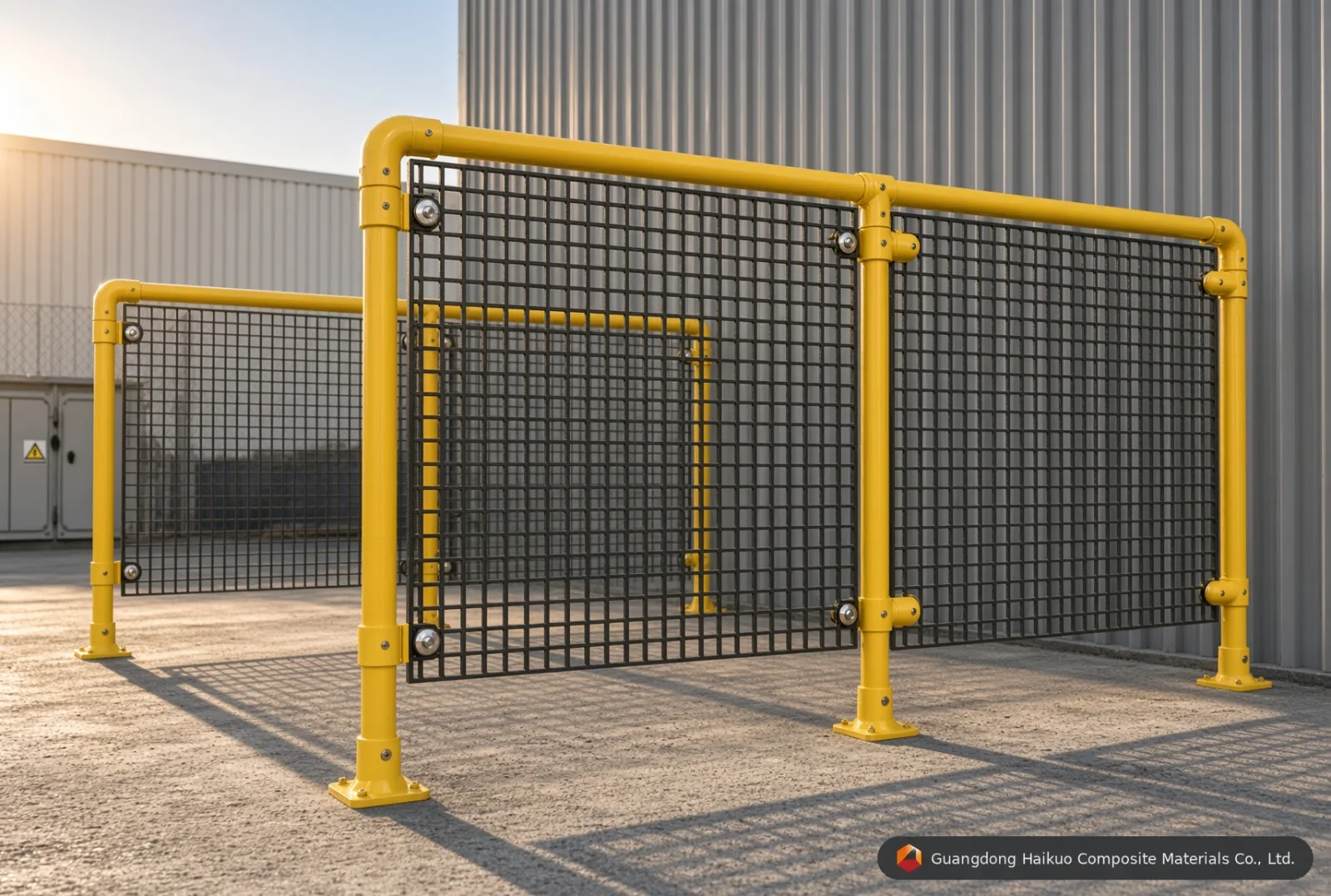
Consumer products: furniture, sporting goods, and toys.
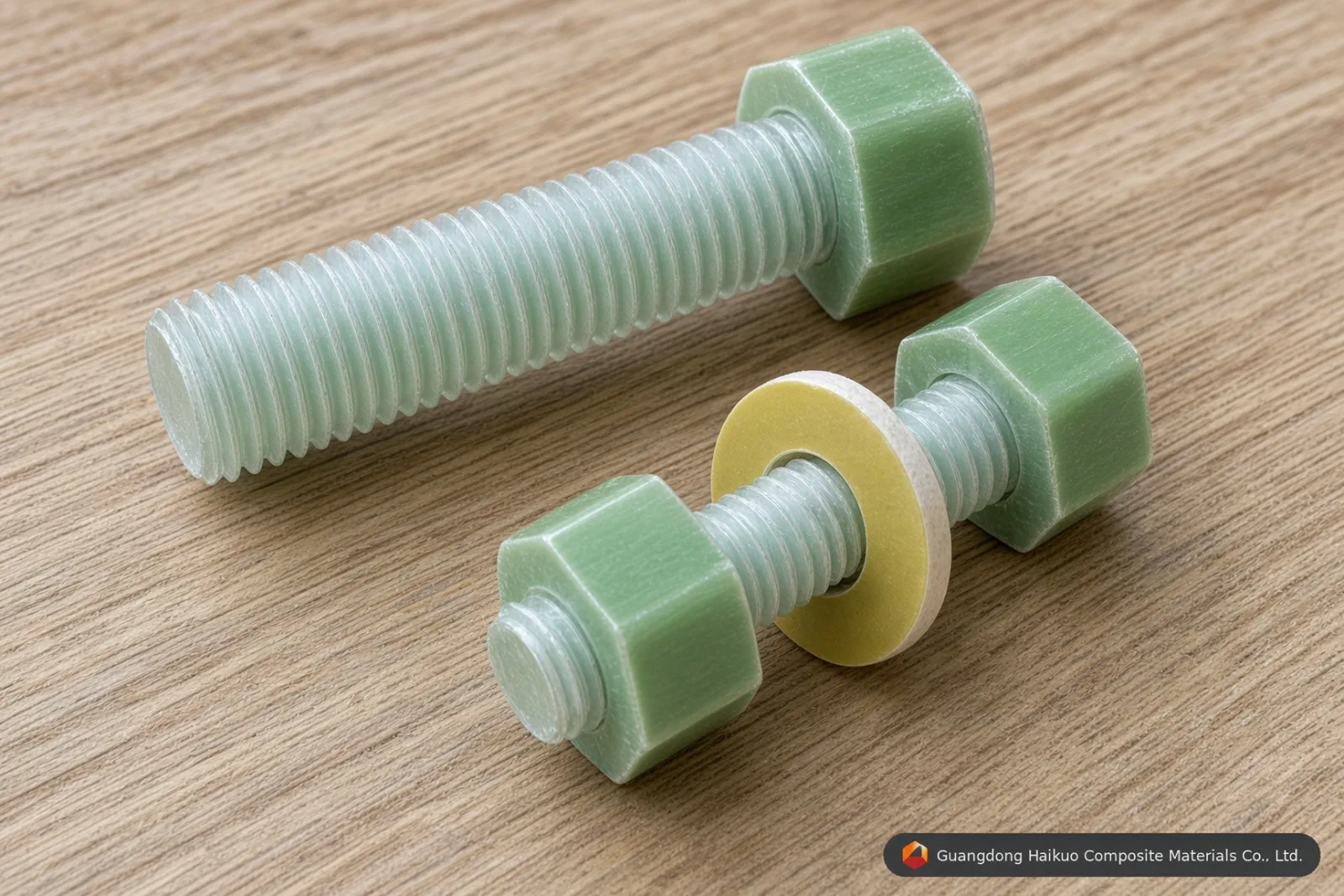
FRP in consumer products
Benefits of FRP
FRP offers real benefits over traditional materials:
Strength: often stronger and stiffer than steel or aluminum, while weighing less.
Corrosion resistance: resists corrosion, ideal for harsh environments.
Lightweight: easy to transport and install.
Cost-effectiveness: can be a cost-effective alternative to traditional materials.
Conclusion
FRP is a versatile, reliable material offering real benefits over traditional materials, and it serves a broad range of applications across construction, transportation, electrical, industrial, and consumer products.