
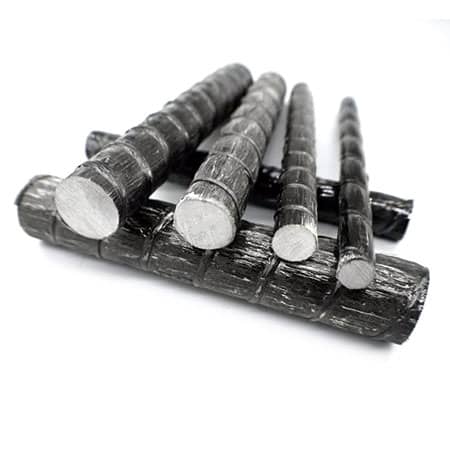
Basalt Fiber Reinforcement
Although steel has been widely used in construction for decades with its high strength and durability, its heavy weight and corrosion susceptibility have always been its biggest drawbacks. Basalt fiber reinforcement, on the other hand, has emerged as a pr
Customized service:
Diameter Color Length
Winding method Surface Sandblasting Punch hole
DescribeSolutionsFAQContact us
Although steel has been widely used in construction for decades with its high strength and durability, its heavy weight and corrosion susceptibility have always been its biggest drawbacks. Basalt fiber reinforcement, on the other hand, has emerged as a promising alternative that offers similar strength and stiffness as steel but with lower weight, better corrosion resistance, and increased safety in case of fire or seismic activity.
Benefits
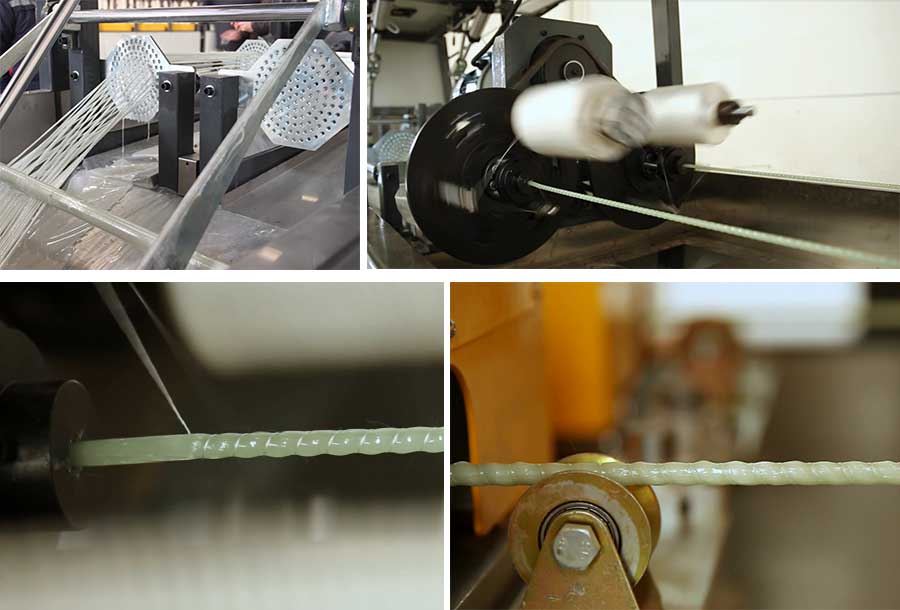
Basalt fiber reinforcement is a type of composite material made from basalt rock, which is melted and extruded into fine fibers. These fibers are then woven into fabric, mats, or rovings, and combined with a compatible binder to form composite structures. This process results in a material that has excellent mechanical properties, such as high tensile strength, stiffness, and fatigue resistance, making it suitable for a wide range of applications in construction, transportation, and aerospace industries.
In addition to its mechanical benefits, basalt fiber reinforcement also offers several advantages over traditional reinforcement materials, such as:
– Lower weight: basalt fiber reinforcement is about 1/3 the weight of steel, making it easier to handle, transport, and install, and reducing the overall weight of the structure.
– Better corrosion resistance: basalt fibers are resistant to most chemicals and environmental conditions, such as moisture, UV radiation, and acidic or alkaline solutions, which can cause corrosion and degradation in steel.
– High thermal stability: basalt fibers can withstand high temperatures up to 800°C without melting or losing strength, which makes them ideal for structures exposed to fire or high heat.
– Improved safety: in case of fire or seismic activity, basalt fiber reinforcement will not produce toxic fumes or sharp debris, thus reducing the risk of injury or damage to the building occupants or surrounding area.
Applications
Basalt fiber reinforcement can be used in various construction applications, such as:
– Reinforcing concrete structures: basalt fibers can be used as reinforcement bars, grids, or strips in concrete to increase its tensile strength and durability, and reduce its weight and permeability.
– Strengthening bridges and tunnels: basalt fiber reinforcement can be used to retrofit or reinforce existing bridges and tunnels, improving their resilience and prolonging their service life.
– Building composite structures: basalt fibers can be combined with other composite materials, such as epoxy or resin, to form stronger and lighter composite structures, such as panels, beams, or pipes.
Performance
| Product Name | Basalt Fiber Reinforcement |
| Composition | Basalt fibers and compatible binder |
| Tensile Strength | 1500-6000 MPa |
| Young’s Modulus | 80-110 GPa |
| Ultimate Strain | 2-3% |
| Fatigue Resistance | 10^7-10^8 cycles |
| Density | 2.8 g/cm^3 |
| Thermal Conductivity | 0.06-0.08 W/mK |
| Temperature Resistance | 400-800°C |
| Corrosion Resistance | Excellent |
| Recyclability | Fully recyclable |
| Health and Safety | No toxic fumes or debris in case of fire or seismic activity |
Conclusion
Basalt fiber reinforcement is a reliable and sustainable solution for construction that offers several advantages over traditional reinforcement materials. Its superior mechanical properties, low weight, and high corrosion and temperature resistance make it an ideal choice for various applications in the construction industry. By choosing basalt fiber reinforcement, builders can improve the safety, durability, and efficiency of their structures while also reducing their environmental impact.
Technical Summary & Engineering Insights
Targeted Product FAQ
Production Process
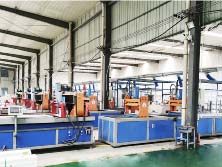
Pultrusion Profile Equipment
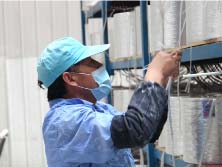
Fiberglass placed on a shelf

Profile mold debugging
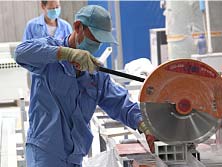
Profile cutting
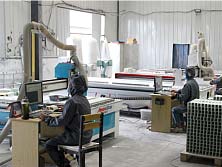
Profile punching
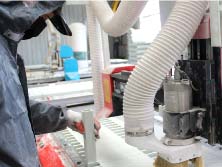
Profile cutting details control

Profile inspection
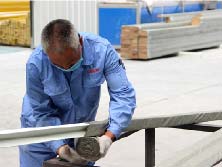
Profile packaging
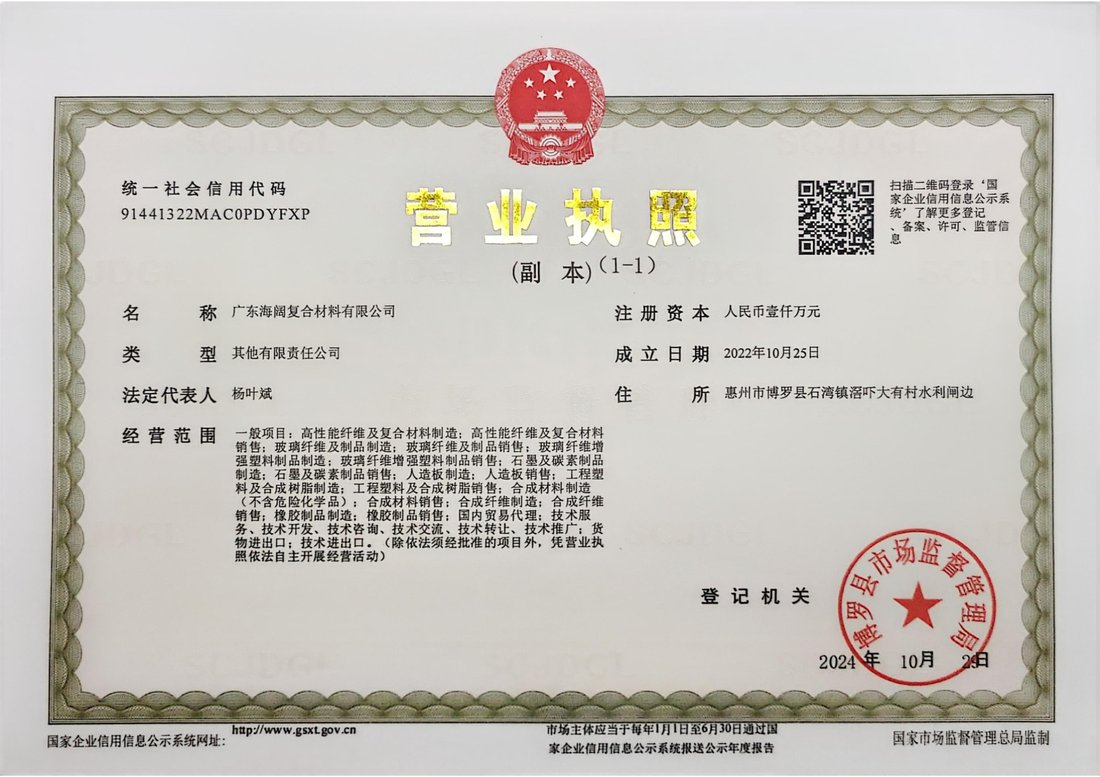
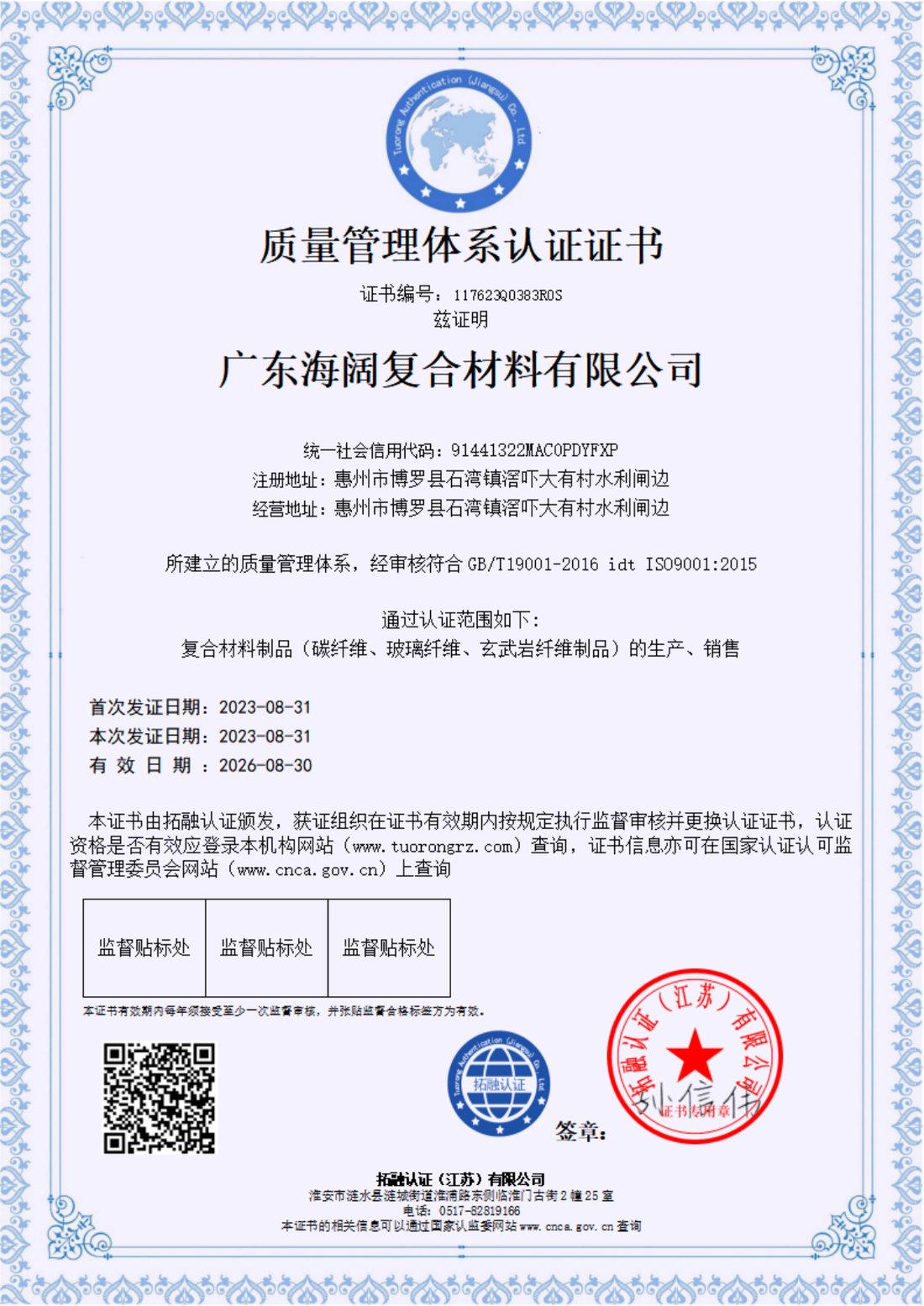
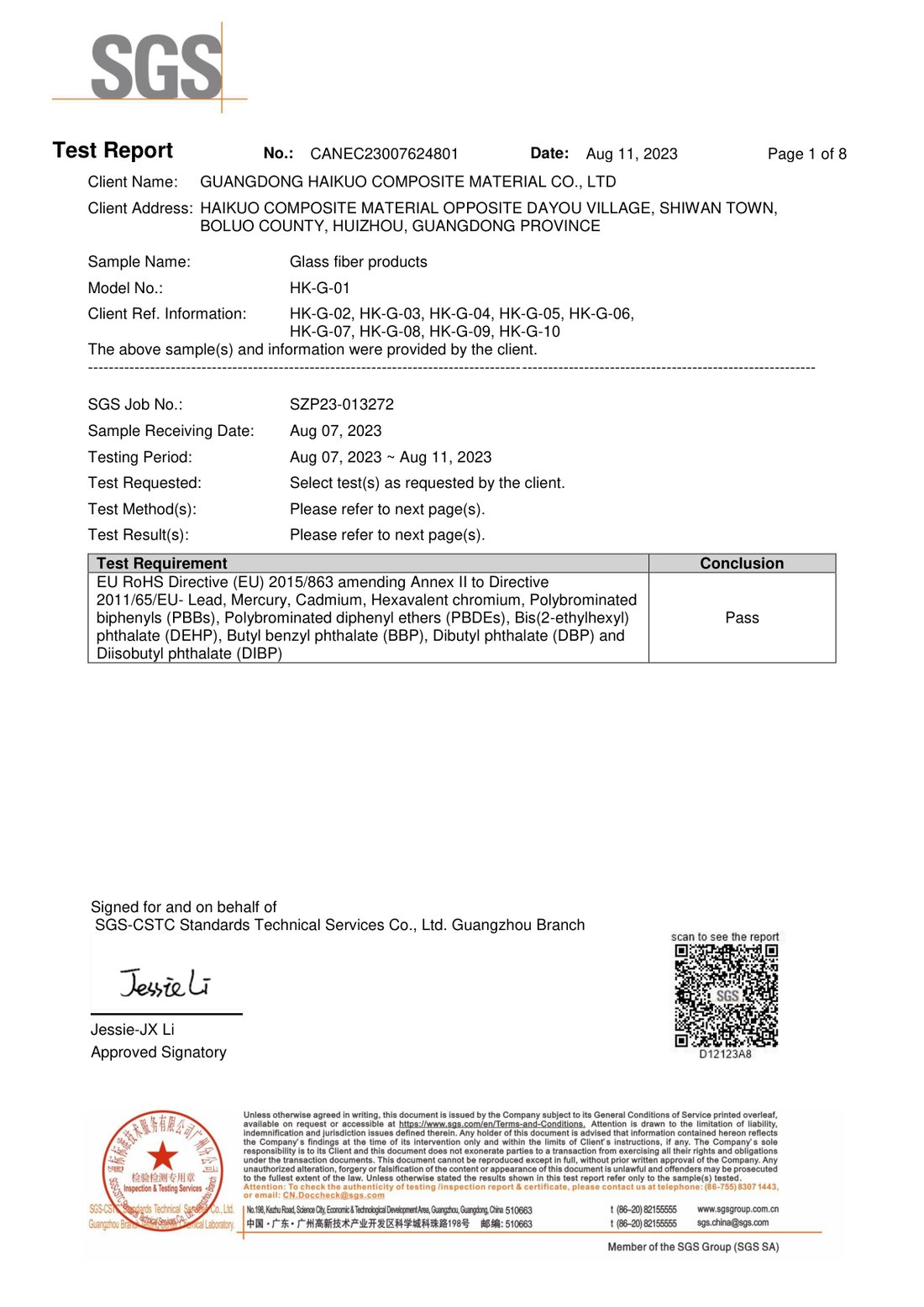
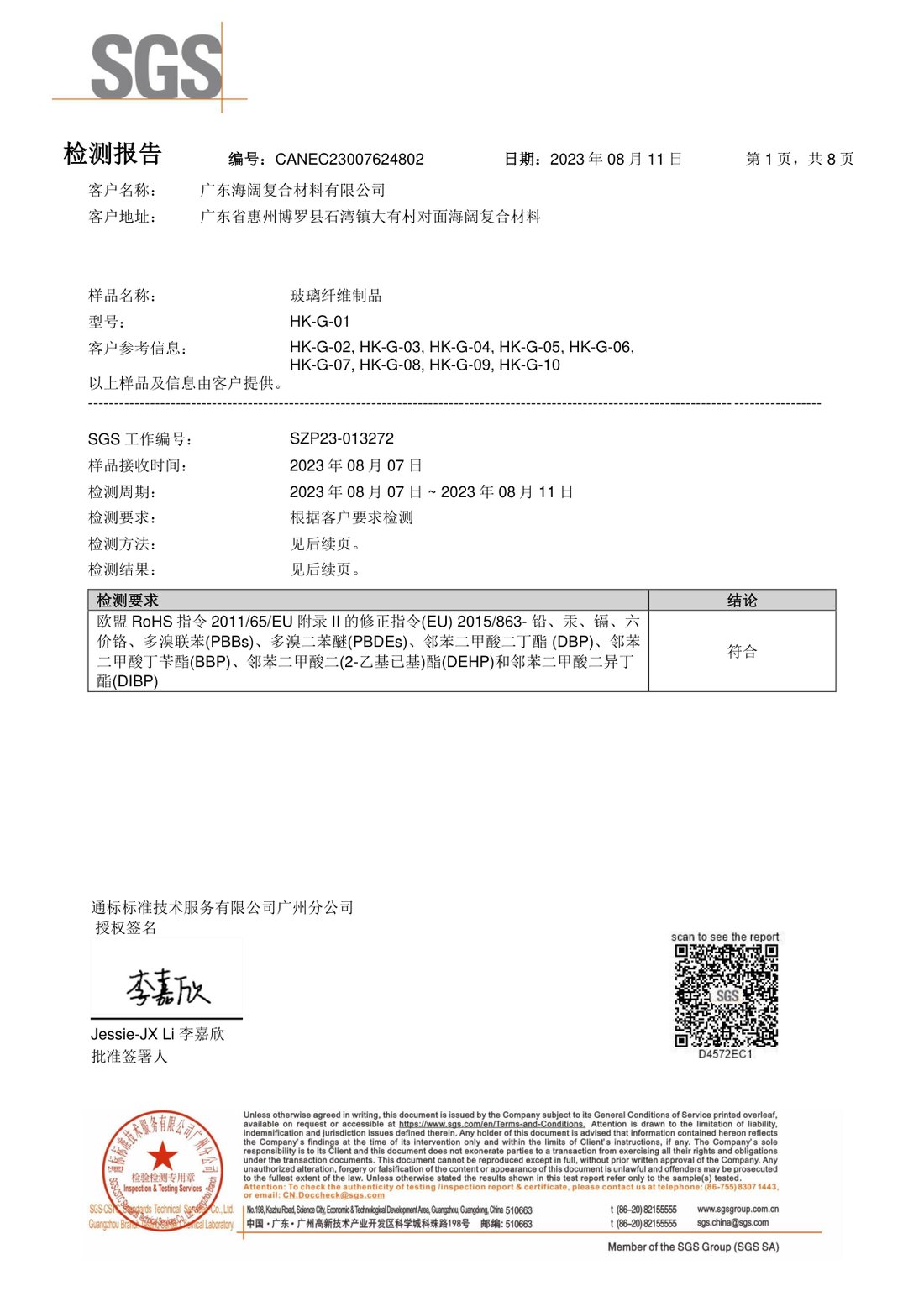
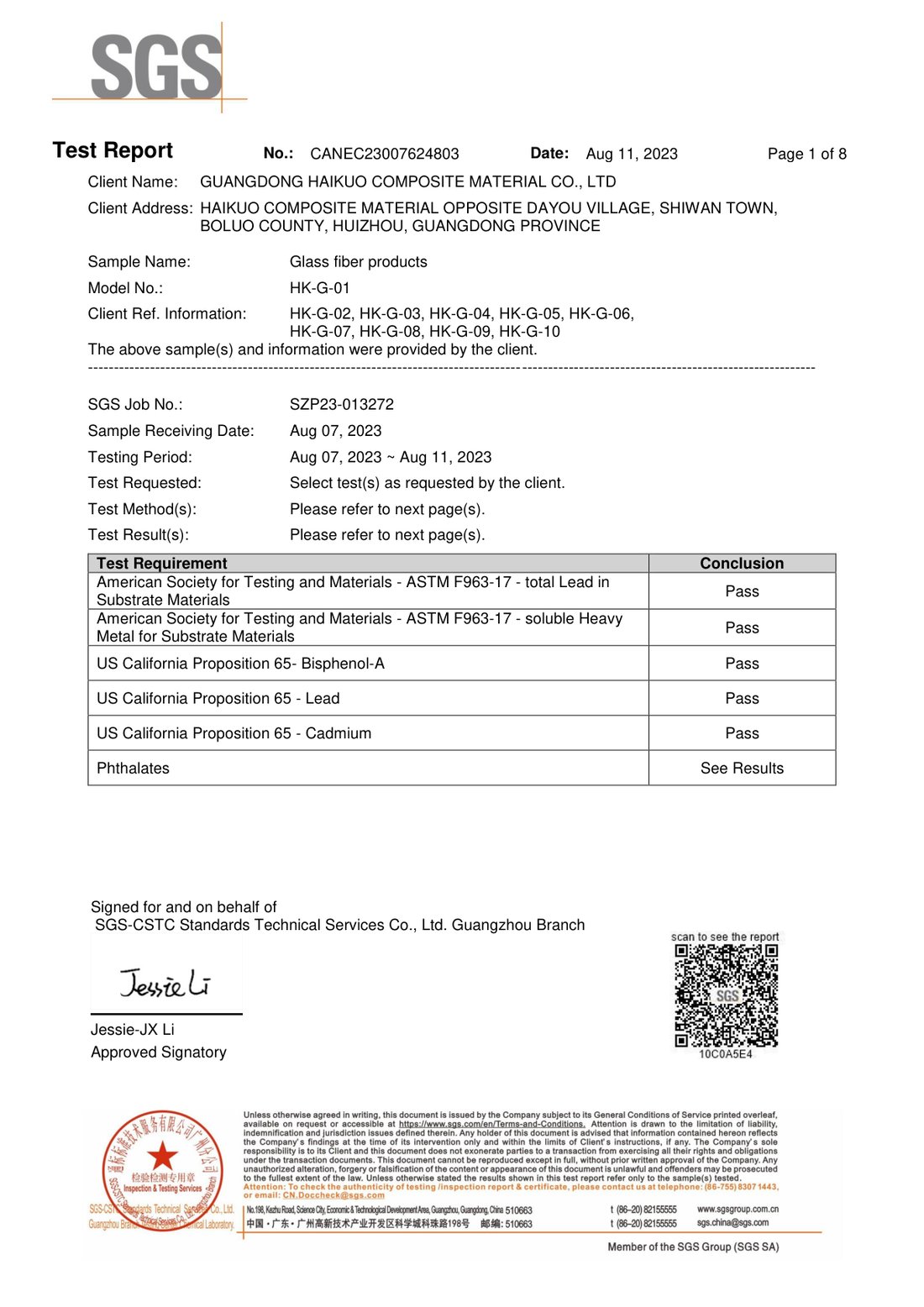
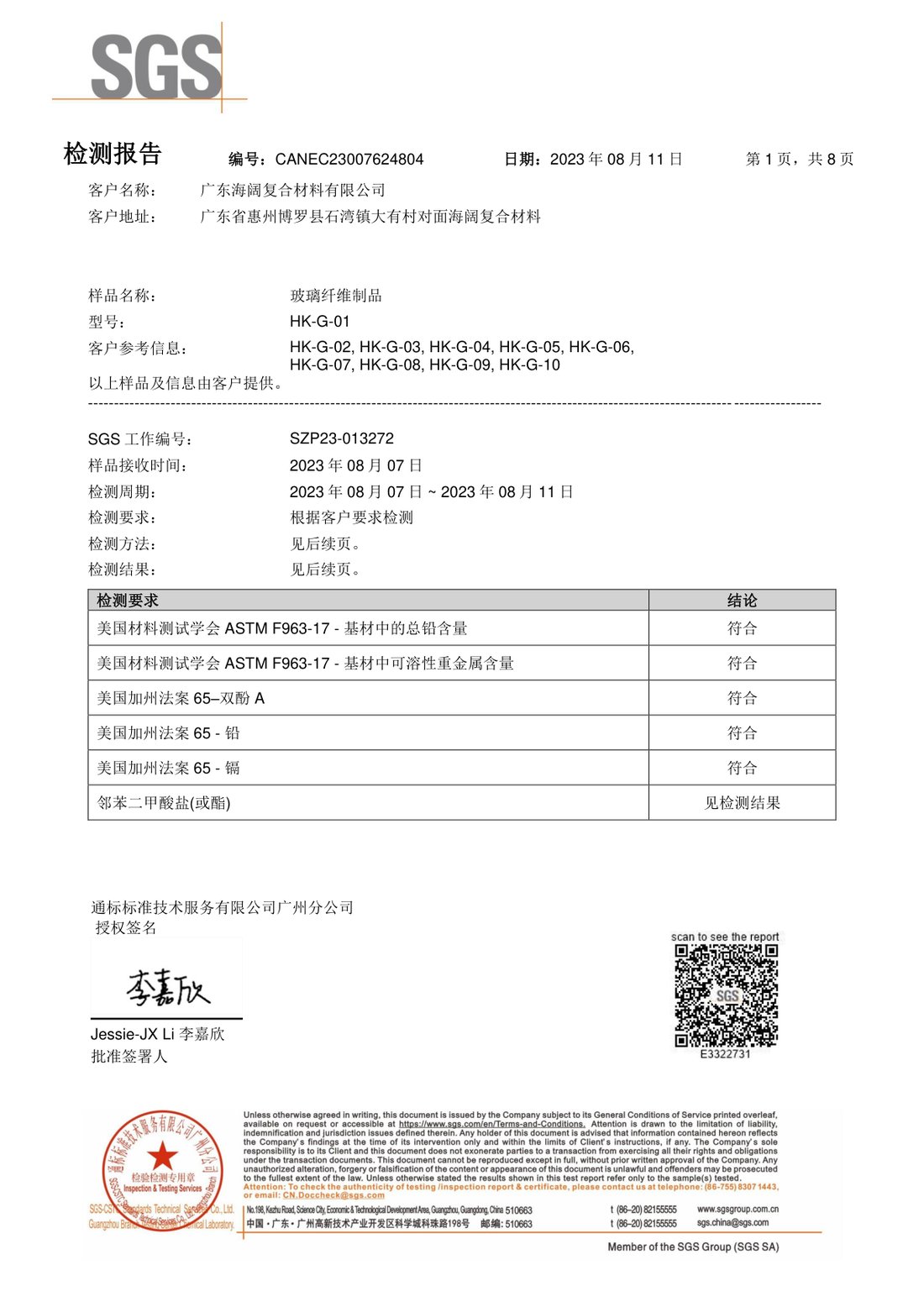
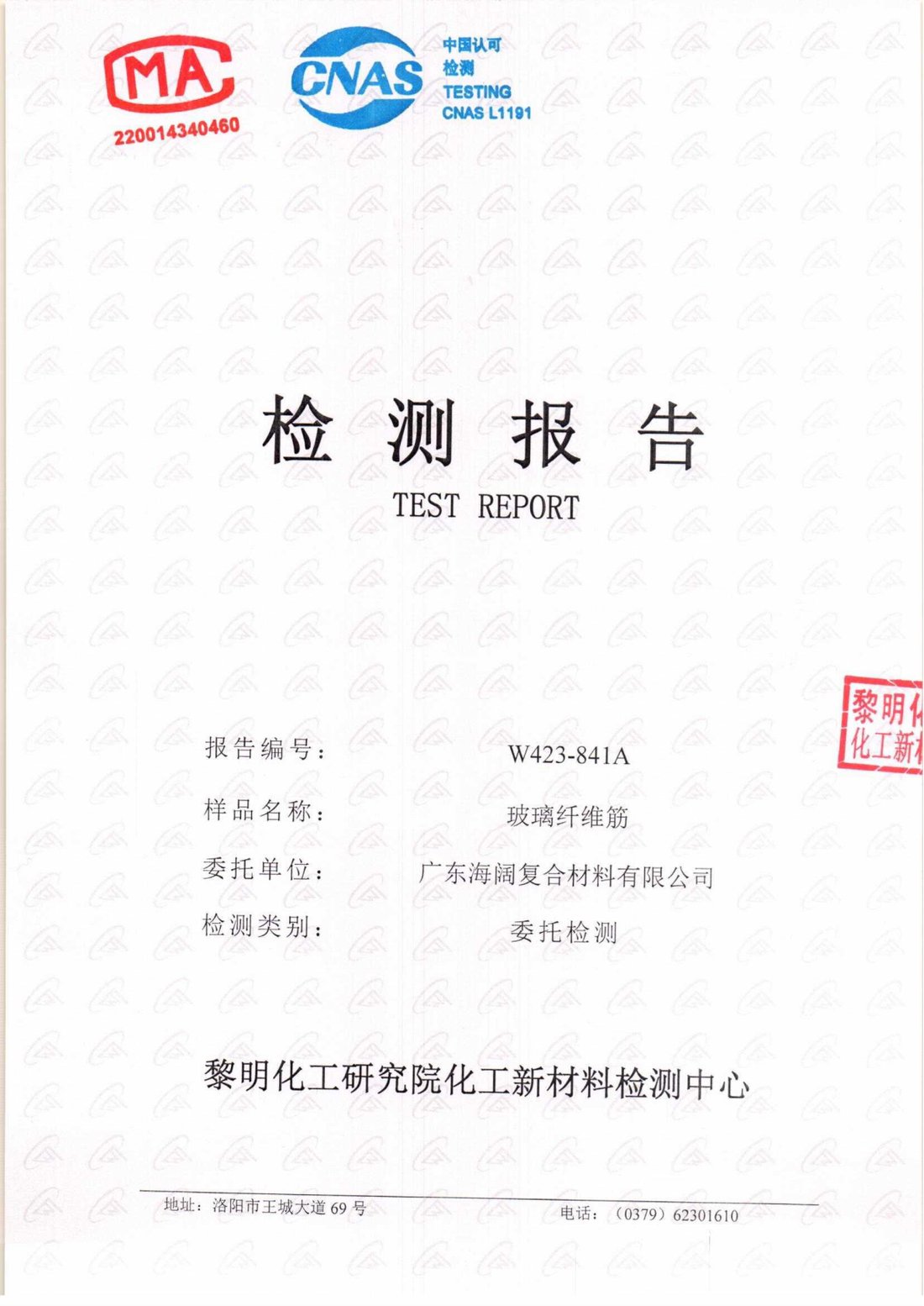
Certificate
FAQ
01- Are you Trading Company or Manufacturing Factory?
We are both manufacturer trading and company. We have our own factory and we have better service ofoverseas customers. Welcome to send your inquiry!
02- I am interested in your products, could I get sample for free?
We can supply a few pieces FREE samples if we have some in stock, and you only need to pay the freight cost by yourself. Welcome to send your inquiry for FREE samples!
03- How about the Delivery time?
10-15days after receiving the deposit based on the MOQ. Normally, 30-35days to finish the order for a 20ft container. Welcome to ask for the detailed delivery time according to your order quantity!
04- How can you guarantee the product quality?
Our whole production lines and products have been certificated by IS09001:2015, and it’s been followed strictly. We also have the professional QC team, and each our package worker will be in charge of the final inspection according to the QC instruction before packing.
05- What is about the payment terms.
Basically, the payment terms areT/T,L/C at sight. Western Union, Paypal, Moneygram, Alipay Credit card are acceptableforsample order.
06- Can you do OEM for me?
We accept all OEM orders,just contact us and give me your design,we will offer you a reasonable price ASAP.