


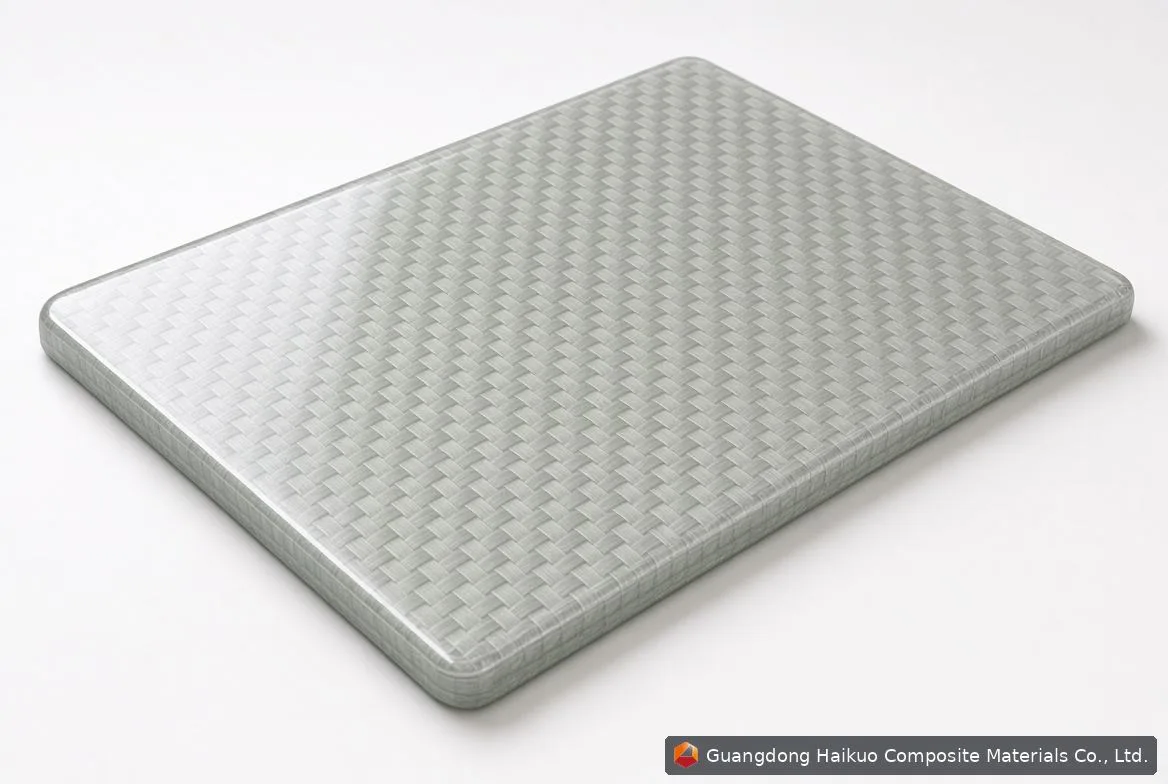
fiberglass reinforced plastic structure
FRP, short for Fiberglass Reinforced Plastic, is a composite material known for its strength, durability, and versatility. This innovative material has found its way into numerous industries, from construction and automotive to marine and aerospace. This guide covers FRP’s composition, properties, manufacturing process, and diverse applications.
What is Fiberglass Reinforced Plastic (FRP)?
Fiberglass reinforced plastic is a composite material combining fiberglass fibers with a resin matrix. The fiberglass fibers give the material its strength and stiffness, while the resin binds the fibers together. Common resins include polyester, epoxy, and vinyl ester.
Composition of FRP
Fiberglass: thin filaments of glass woven together into a fabric, providing the composite’s tensile strength and stiffness.
Resin: a polymer acting as a binder, holding the fiberglass fibers together — the resin choice depends on the application and the desired properties of the final product.
Properties of FRP
1. High Strength-to-Weight Ratio: FRP combines strength with light weight, ideal wherever weight is a critical factor.
2. Corrosion Resistance: FRP resists corrosion from chemicals, acids, and alkalis very well, suiting harsh environments.
3. Dimensional Stability: FRP shows excellent dimensional stability, resisting warping, shrinking, and expanding.
4. Electrical Insulation: FRP is non-conductive, an excellent choice for electrical applications.
5. Design Flexibility: FRP molds into a wide variety of shapes and sizes, a versatile material for custom applications.
Manufacturing Process of FRP
Manufacturing FRP typically follows these steps:
1. Preparation of the Mold: a mold gives the FRP product its desired shape.
2. Laying Up the Fiberglass: fiberglass layers get placed in the mold to the desired thickness and reinforcement pattern.
3. Resin Infusion: resin infuses into the fiberglass layers to bind the fibers together.
4. Curing: the composite cures under heat and pressure, hardening the resin and bonding the fibers strongly together.
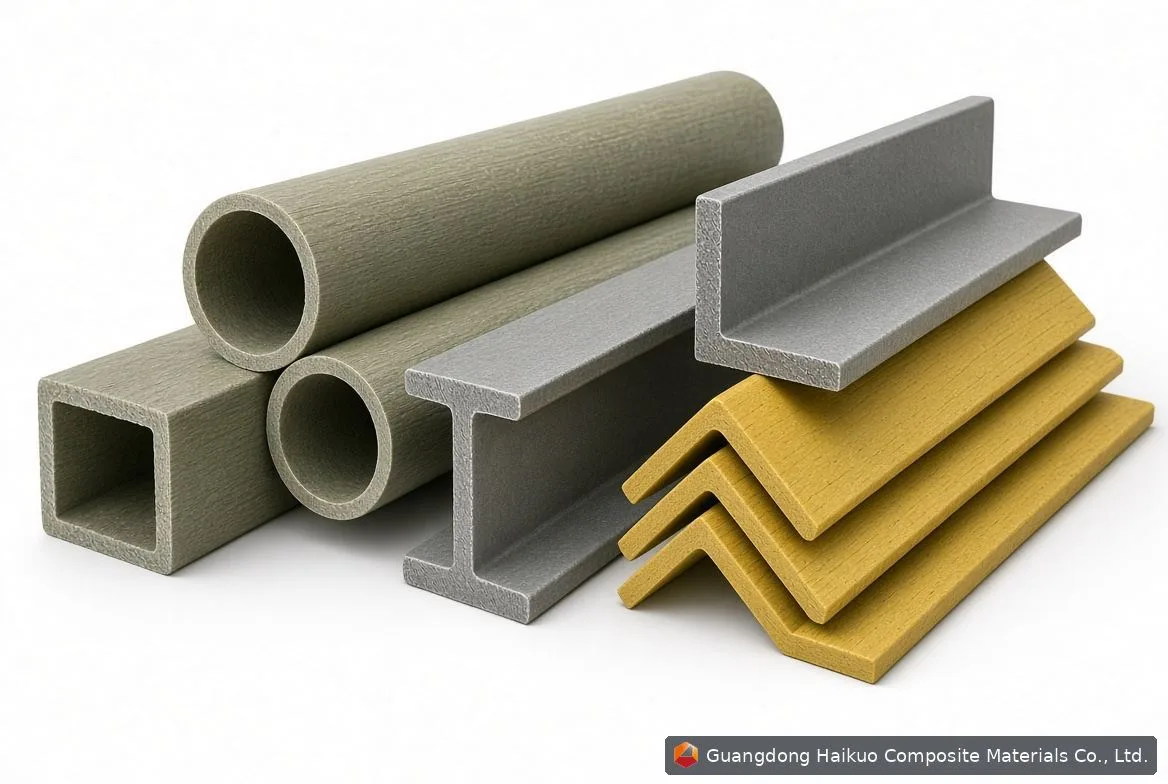
Applications of FRP
FRP sees extensive use across industries thanks to its distinctive properties:
1. Construction: used for roofing, cladding, flooring, and as a reinforcing material in concrete.
2. Automotive: used in automotive components such as body panels, spoilers, and hoods.
3. Marine: widely used in boat hulls, decks, and other marine applications thanks to its corrosion resistance and light weight.
4. Chemical Processing: used to build tanks, pipes, and equipment for handling corrosive chemicals.
5. Aerospace: used in aircraft components such as radomes and fairings.
Advantages of FRP
1. Durability: highly durable, able to withstand harsh environmental conditions.
2. Versatility: moldable into a wide variety of shapes and sizes.
3. Lightweight: offers a high strength-to-weight ratio.
4. Corrosion Resistance: highly resistant to corrosion.
5. Electrical Insulation: a non-conductive material.
Disadvantages of FRP
1. Higher Initial Cost: FRP can cost more upfront than traditional materials like steel or wood.
2. Repair Challenges: repairing damaged FRP can be more complex and expensive.
3. Limited Temperature Range: FRP may face limitations in high-temperature applications.
Conclusion
Fiberglass reinforced plastic (FRP) is a versatile composite material with a wide range of applications. Its distinctive properties — strength, durability, and corrosion resistance — make it a suitable choice across many industries. Understanding FRP’s composition, properties, and manufacturing process helps engineers and designers make informed decisions about its use in various applications.