


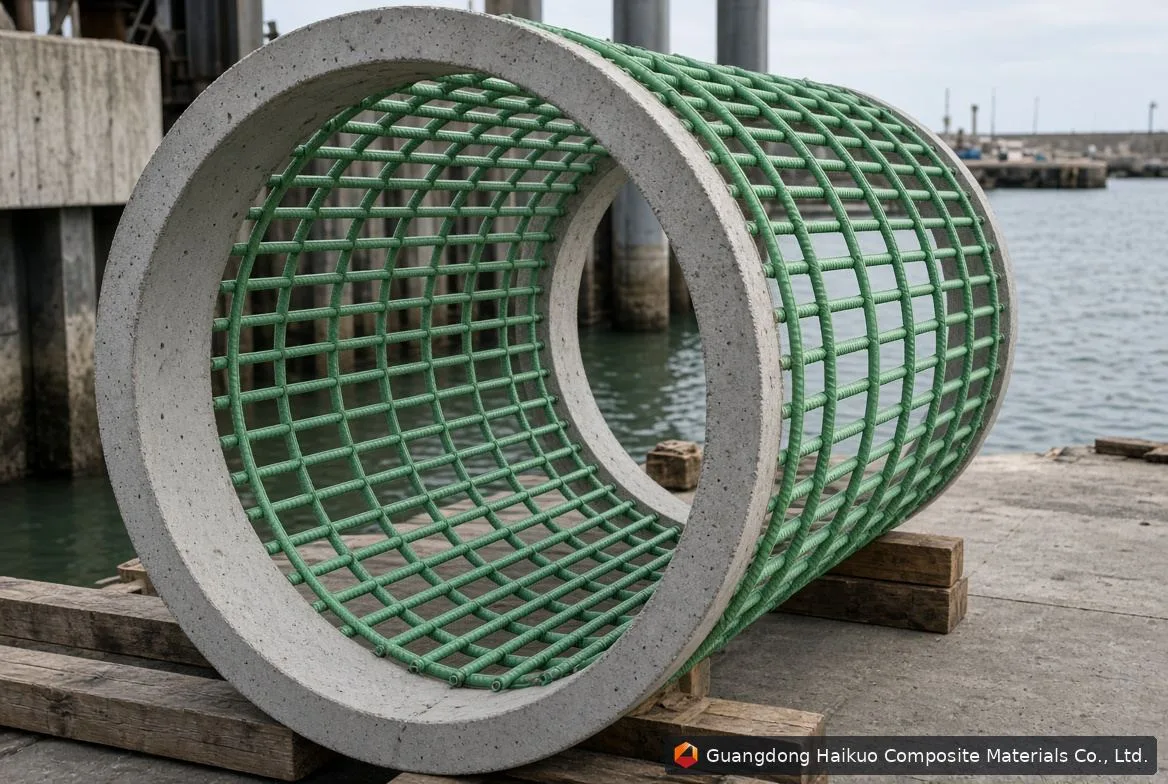
Caption: CFRP reinforces bridges, blending strength with longevity.
Introduction: CFRP’s Rise in Construction
One material is stealing the spotlight in the construction world: CFRP. But what does CFRP stand for, and why is it becoming a go-to solution for engineers and architects? The full form of CFRP is Carbon Fiber Reinforced Polymer — an advanced composite combining high strength with real versatility. From skyscrapers to bridges, CFRP is proving itself a suitable choice, and here’s why it’s reshaping how we build.
Understanding CFRP isn’t just about decoding an acronym — it’s about grasping a material pushing the boundaries of modern construction. Lightweight, durable, and corrosion-resistant, CFRP offers advantages traditional materials like steel and concrete struggle to match.
What Does CFRP Stand For?
CFRP stands for Carbon Fiber Reinforced Polymer. This composite consists of carbon fibers embedded in a polymer matrix — typically epoxy, polyester, or vinyl ester. The carbon fibers provide exceptional tensile strength and stiffness, while the polymer binds them together into a lightweight yet robust material. Available in sheets, bars, or custom shapes, CFRP is engineered for high-performance applications.
The “carbon fiber” in its name refers to thin strands of carbon atoms, woven into a fabric-like structure — stronger than steel, yet lighter than aluminum. Combined with a polymer, the result is a material tailor-made for demanding environments.
Why CFRP Is a Suitable Choice in Construction
So why has CFRP gained ground among construction materials? Its distinctive properties address critical industry needs — strength-to-weight ratio, durability, and ease of use.
1. High Strength-to-Weight Ratio
One of CFRP’s biggest selling points is its incredible strength-to-weight ratio — up to five times stronger than steel, yet often 70-80% lighter. That makes it ideal wherever reducing structural load matters, like high-rise buildings, long-span bridges, or seismic retrofitting.
Reinforcing a concrete beam with CFRP strips can boost its load capacity without adding significant weight — compare that to steel reinforcement, which piles on pounds and complicates installation.
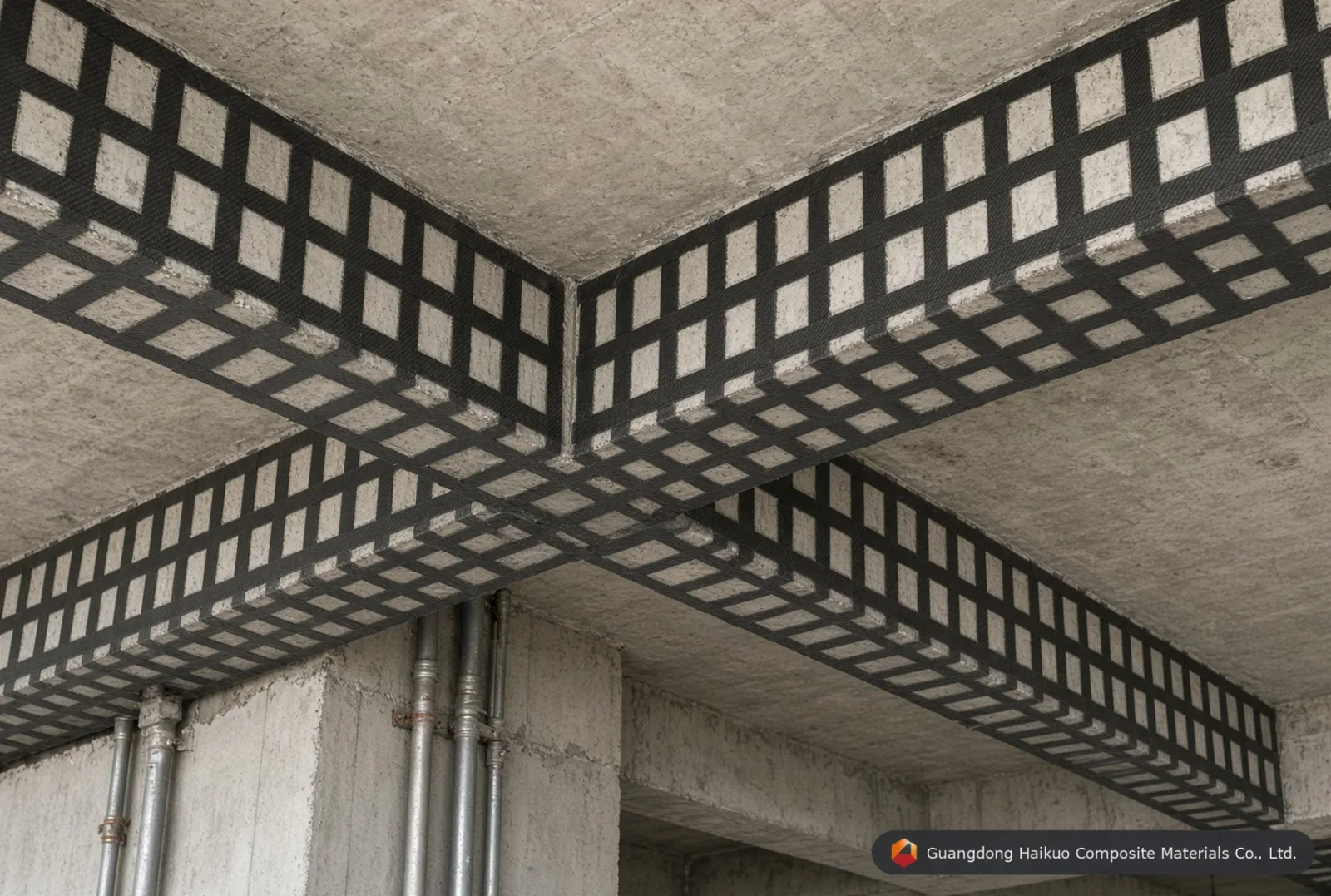
Caption: CFRP enhances structural strength without the bulk of steel.
2. Superior Durability and Corrosion Resistance
Durability is another reason CFRP shines. Unlike steel, which rusts with moisture or salt exposure, CFRP is highly resistant to corrosion — a suitable choice for harsh environments like coastal bridges, marine docks, or chemical plants, where traditional materials degrade quickly.
Studies show CFRP can hold its integrity for 50-100 years, even under constant water or UV exposure. Steel needs frequent inspection and coating to fend off rust, but CFRP needs no such upkeep — translating to lower lifecycle costs and fewer headaches on long-term projects.
3. Ease of Installation and Efficiency
Construction timelines and budgets benefit from CFRP’s ease of use. Being lightweight, it’s easier to transport and install than heavy steel or concrete — a small crew can handle CFRP sheets or bars without cranes, cutting labor and equipment costs. Its flexibility also lets it be molded or cut on-site, adapting to complex designs with minimal fuss.
Bridge repairs, for example, can apply CFRP strips to strengthen an aging structure in days rather than weeks, keeping traffic flowing and costs down.
CFRP vs. Traditional Materials
Here’s how CFRP stacks up against steel, concrete, and aluminum:
| Material | Strength-to-Weight | Corrosion Resistance | Weight | Installation Ease |
|---|---|---|---|---|
| CFRP | Excellent (5x steel) | Excellent | Light (1-2 lbs/sq ft) | High |
| Steel | Good | Poor (rusts) | Heavy (10-15 lbs/sq ft) | Moderate |
| Concrete | Moderate | Moderate | Very Heavy (20+ lbs/sq ft) | Low |
| Aluminum | Good | Good | Light (3-5 lbs/sq ft) | High |
Note: values are approximate and depend on specific formulations.
CFRP outperforms steel on strength-to-weight and corrosion resistance, and its lightweight design beats concrete. Aluminum comes close in weight, but CFRP’s superior strength makes it the top pick for demanding applications.
Real-World Applications
CFRP comes alive in real construction projects:
- Bridge rehabilitation: CFRP sheets strengthen aging bridges, extending their life without heavy reconstruction.
- Building reinforcement: in earthquake-prone areas, CFRP wraps columns to boost seismic resistance.
- Marine structures: piers and docks use CFRP for corrosion resistance in saltwater.
- High-rise construction: lightweight CFRP components reduce structural loads in tall buildings.
These examples show why CFRP is a suitable choice — it tackles the durability and weight challenges that plague traditional materials.
Cost Considerations: Is CFRP Worth It?
CFRP’s upfront cost can run higher than steel or concrete — think $20-$50 per square foot versus $5-$15 for steel. But its long-term value shows through: no rust-proofing, minimal maintenance, and faster installation offset the initial price. For a bridge lasting 75 years instead of 30, the investment in CFRP pays off.
Budget-conscious projects might hesitate, but for applications where durability and efficiency matter most, CFRP’s cost-benefit ratio is hard to beat.
Environmental Benefits
CFRP also brings an eco-friendly angle. Carbon fiber production has a carbon footprint, but it’s often lower than steel’s energy-intensive smelting. CFRP’s longevity also reduces the need for replacements, cutting waste — a real plus in green construction.
Limitations to Consider
CFRP isn’t flawless — its high initial cost can deter small projects, and it may not match steel’s sheer compressive strength under extreme loads. Fire resistance is another consideration — carbon fibers withstand heat well, but the polymer matrix can degrade unless treated with flame-retardant resins. For most construction needs, though, these drawbacks are manageable.
Conclusion: Why CFRP Matters
Carbon Fiber Reinforced Polymer is a material redefining construction. Its high strength-to-weight ratio, corrosion resistance, and installation ease make it a practical choice wherever innovation and durability matter. Whether reinforcing a bridge or lightening a skyscraper, CFRP delivers where steel and concrete fall short.
In a field where efficiency, cost, and longevity reign supreme, CFRP offers a winning combination — worth considering for your next build.